Showing posts with label silence. Show all posts

Thursday, March 3, 2016

Shut up and Think with Me


You waltz into a session and a student has an essay. You read it out loud, fix a couple of grammar mistakes, and you’re good. Until you and the tutee stumble on a paragraph that needs to be changed or rewritten. You start asking a couple of open ended questions and the tutee is inspired. He picks up his pen and begins writing with zeal, until you start yapping with your big ol’ mouth.

Your intent is good; you’re just trying to give the tutee some ideas. But from the perspective of a tutee, please shut up. The tutee has a train of thought and is getting somewhere, until he gets distracted by your words.
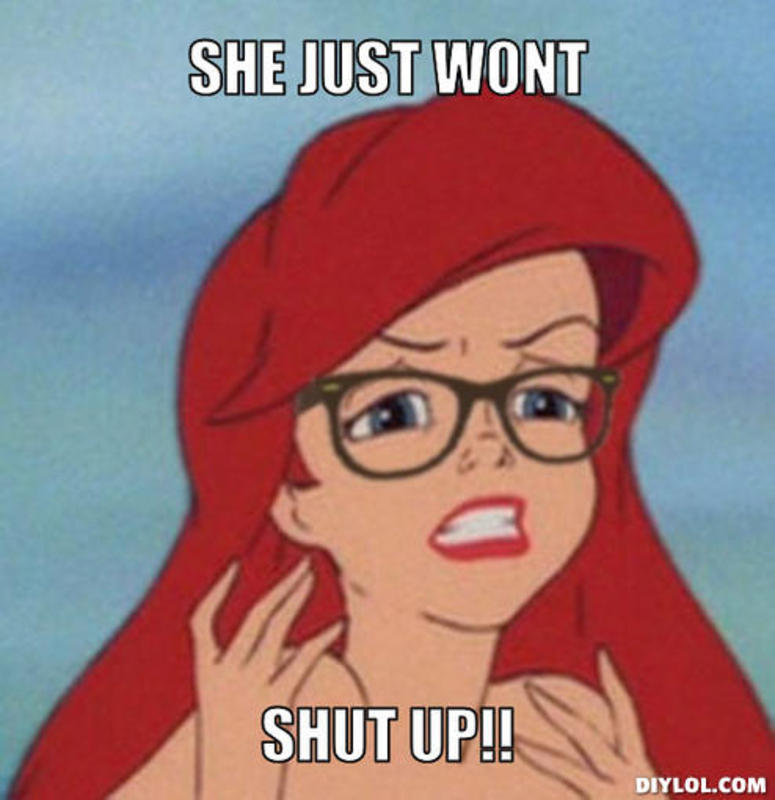

I promise you, at appropriate times, silence isn’t awkward. You may feel the need to fill the quietness; just let it be. And you know, silence is golden, but duct tape is silver :)


I’ve experienced this a couple of times with tutoring creative writing. I was having my creative writing piece tutored and I decided I wanted to add a couple of new lines to my poem. My tutor asked some great open-ended questions and I got where I was going.  But my tutor saw that I was quiet and asked some more questions; she didn’t realize that I was thinking and that her questions were distracting me. I needed some quiet time to develop my ideas.


In a tutoring session where a tutee is coming up with ideas, try to give the tutee some space. And hey, if you can’t keep the silence, leave: I am serious. Let us say the tutee needs to rewrite a paragraph, tell the tutee you’re going to get some water or you’re going to the bathroom (lying is okay for the sake of education). Or maybe you can stay by the tutee and do your own thing so that you’re at the tutee’s disposal.

You might call this lazy, but I’m going to be generous and call it a minimalist tutoring ideology.
I think tutors are available to guide tutees in the right direction and  as soon as you guide them, let ‘em go. Our purpose as tutors is to create better writers; you are giving tutees a chance to practice their skills when you give them some space.


Some tutors, who teach by the book, feel that they are not doing their job if they’re not constantly asking questions. Open ended questions are good to get ideas going, but as soon as an idea develops, you can stop. You also have to remember that tutees can’t answer your questions on demand. They need time to think and then when they are ready, they’ll answer. Bombarding them with questions isn’t going to help them answer the first question you asked; it’s just distracting.


I’ve found that this method works for me and my tutees, but of course, like any strategy, tutors may like it or hate it. You just have to find what is most beneficial to you and the students you are helping.


Do you agree with the method? What strategies do you use? Let me know in the comments below or email me!

Oh and here’s a cool blog from Saint Mary’s University that also talks about how silence can be used as a tool.

Wednesday, March 2, 2016

Our Beloved Tutees

As a tutor, we’ve all had our fair share of unique tutees. These are a few the most common ones that I have encountered.

The Quiet Ones:
What awkward silences feel like
You know these guys- the ones who read so quietly that you have to get to an almost creepy level of closeness to them to hear. Listening to them is a workout in itself. The only time a loud-ish noise comes from their mouth is when they breathe a deep sigh of relief, because they finished reading their essay. Tutoring them can be quite a challenge; as you ask them open ended questions, they stare into your soul, resulting in the dreaded awkward silence, and then promptly forcing you to answer yourself. I’m pretty sure I’ve had a good deal of one sided conversations while tutoring, but it’s not too bad-I’m fun to talk to.

The Overly Confident Ones:
These types of tutees always leave me feeling confused. Once upon a time, one of my tutees wrote a sentence that went something like this: “It was my brother and he was, wet.”
I asked them why they chose to add a comma before ‘wet’ and they simply responded that they thought it made the sentence more dramatic. After explaining to them why this was incorrect, they chose to go against my advice, because they really needed that part of their narrative to be dramatic. Later, in this same session, I was explaining to the tutee how independent and dependent clauses work, so that they could correct their commas. The tutee kept probing me with questions such as, “But is that really the way it works? Because I know that I am right. Are you really sure that you are right?” Eventually, I brought out the reference sheets to show them that I was, in fact, correct. Despite this, the tutee insisted that their way was correct and refused to take any of my suggestions into consideration.

The Talented Ones: 
These are both my favorite and least favorite types of papers to tutor. While it’s great to see talented writers’ work and learn from the fluidity of their writing, it’s frustrating to feel as if there’s nothing to do to help them improve. You almost start to wish for a typo or a comma splice, so that you have something to point out. It just feels wrong to leave the tutee’s paper the same way it came in.

The Unmotivated Ones: 
Right off the bat, you can tell that you’re in for a loooong ride. Filling out the cover sheet, you realize that their paper was due last week, oops! Next, the tutee shoves the paper in your general direction and is likely to utter the few words a tutor never wants to hear: “Can you just like...fix it?” I try to my best to specifically engage these types of tutees, otherwise I am certain that I would end up rewriting their entire essay for them. It often feels like not much is accomplished in a session, however they tend to leave very nice post conference evaluations (yay!).

Despite how negative some of these descriptions may seem, I thoroughly enjoy tutoring and tutoring a wide array of students. Tutoring has taught me how to deal with difficult social situations and that long silences are OK, and I hope that all of you have taken this away from tutoring as well.
If you ever want to share an experience with a tutee with me, feel free to email me. natalie_groder@yahoo.com

Tuesday, May 10, 2011

CLTOPCD-A lifetime disease?

My name is Lindsay Victor and I have a serious problem.

CLTOPCD, or compulsive listening to other people’s conversations disorder, is an issue of mine that always seems to make an appearance whenever I am doing homework, reading, or especially, taking AP tests.

I have always had a problem with being distracted by noise, but have adapted my habits to address my shortcomings. Instead of spending nights doing homework in front of the television or in a room filled with music, I have spent my high schools years doing homework in COMPLETE silence. My mother joking plans to send me to college next year with a pair of noise cancelling headphones, but I am seriously considering asking her to buy them for my graduation present so I can control my CLTOPCD.  

I still cannot figure out why I have not been able to teach myself how to block out outside noise. Whenever I am in a room that is silent besides one or two people whispering, my brain focuses in on the conversation, totally determined to figure out what amazingly interesting topic they must be talking about.  


My latest CLTOPCD outbreak occurred during my AP Literature Test last week. The room was silent and everyone in the cafeteria was working on reading through passages and answering multiple choice questions. All of a sudden, I hear a noise: the Sports Center theme song. I turn around and see that the televisions in the cafeteria have been left on. Really? I am testing in a freezing cold cafeteria, in an uncomfortable chair, AND the proctors have left Sports Center on?


Although I know that I will not be able to avoid the sound in the room, I am the type of person who will just sit there and fume internally, instead of just calling someone over and asking them to turn off the television. Fortunately, my new favorite person, Jes Vasko, decided to call over a proctor, who quickly proceeded to turn the television off.

The main issue with my situation is that I refuse to address it. Instead of realizing that most people are probably having conversations about topics that have no relevance to me, I decide to listen, because maybe, this one time, they will actually be talking about something important to me.

I hope that my discussion today is the first step on the road to coping with my CLTOPCD.

If you have any advice about how to help me deal with my extreme nosiness and fear that I will miss out on some juicy information, please do not hesitate to email me!